
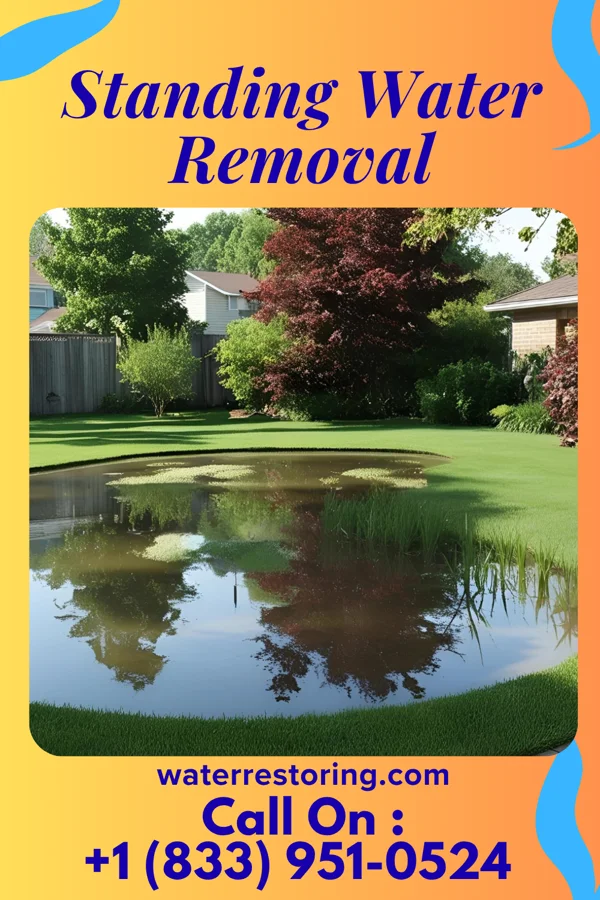
When Ivyland Properties Need Standing Water Removal
Water damage in Ivyland usually starts with In Ivyland, Pennsylvania, primary water damage often stems from plumbing leaks in older homes, particularly in basements and crawl spaces. Due to the rural nature of the area, septic system failures and sudden rainstorms can also lead to significant water intrusion, especially during the spring and early fall seasons.. A close second is Secondary causes include burst pipes, overflowing toilets, and roof leaks, which are common in the region's older residential structures. Additionally, the proximity to agricultural areas increases the risk of water contamination from nearby farms or livestock operations.. Professional restoration follows the IICRC protocol on every job. Assess. Extract. Dry. Sanitize. Document.
Ivyland experiences a humid continental climate, which means heavy rainfall and sudden temperature changes can lead to rapid water accumulation. The area's proximity to the Delaware River also increases flood risk during severe weather events.
Water damage in Ivyland follows a few local patterns. In Ivyland, Pennsylvania, primary water damage often stems from plumbing leaks in older homes, particularly in basements and crawl spaces. Due to the rural nature of the area, septic system failures and sudden rainstorms can also lead to significant water intrusion, especially during the spring and early fall seasons. accounts for the bulk of our calls. Ivyland experiences a humid continental climate, which means heavy rainfall and sudden temperature changes can lead to rapid water accumulation. The area's proximity to the Delaware River also increases flood risk during severe weather events. Mold growth in Ivyland can occur quickly due to the high humidity and frequent rain, especially in poorly ventilated basements and crawl spaces. Prompt action is critical to prevent long-term structural damage and health risks.
For public guidance on the health effects of mold after prolonged water exposure, see the EPA mold and health page.